
Are casinos designed to keep you playing longer?
The Psychology Behind Casino Design
Casinos are meticulously crafted environments that harness psychological principles to maximize player engagement. The layout of a casino is often labyrinthine, designed to encourage exploration and prolong the gaming experience. By minimizing sight lines and creating disorienting pathways, players are more likely to wander from one gaming machine to another, including payid pokies , losing track of time. This deliberate design manipulates spatial awareness, leading players to stay longer than they may have intended.
In addition, the sensory aspects of a casino play a significant role in keeping players engaged. Vibrant colors, engaging sounds, and even the scent of freshly prepared food all contribute to an immersive atmosphere. These sensory experiences trigger emotional responses and can create a euphoric sense of excitement and anticipation. For example, the joyful chime of a slot machine winning can entice similar players to try their luck, thus extending their stay. The overall ambiance is crafted to make players feel emotionally invested and excited, prolonging their participation.
Moreover, the presence of attractive rewards, such as comp points and loyalty programs, reinforces player engagement. These schemes encourage returning customers and create an ongoing relationship between the casino and its patrons. Players become motivated to extend their time spent in the casino to earn more rewards, fostering a sense of loyalty. The intricate weave of psychology in casino design is specifically intended to create an environment where players feel compelled to continue playing, often at their own expense.
Impact of Rewards and Incentives
One of the primary strategies casinos employ to keep players engaged is through the use of rewards and incentives. These can range from free drinks and meals to exclusive access to events and cashback offers. This strategy not only makes players feel valued but also encourages them to spend more time in the gaming area. When players perceive that they are receiving something in return for their time and money, they are more likely to increase their playtime.
Additionally, the allure of jackpots and progressive winnings serves as a potent motivator. Casinos often promote large jackpots and the possibility of life-changing wins. This “big win” mentality keeps players hopeful and invested, as many believe that they could be the next big winner. When players envision the potential of winning large sums, they are more likely to overlook the time and money they have already spent. This psychological hook can keep them at the tables or machines for hours, even days.

Furthermore, loyalty programs, which reward frequent players with points that can be redeemed for various benefits, create a sense of commitment. As players accumulate points, they may feel compelled to return to the casino to maximize their potential rewards, perpetuating a cycle of extended play. The combination of rewards and the fear of missing out on potential benefits plays a significant role in enhancing the player experience, making it difficult for individuals to walk away from the gaming floor.
The Role of Game Design and Mechanics
The design of individual games in casinos is also pivotal in encouraging longer play sessions. Game mechanics, including the use of bonus rounds, free spins, and interactive features, are established to increase engagement. For instance, slot machines often incorporate elements of gamification, providing players with interactive experiences that keep their attention. The excitement of potential bonuses or multipliers can make players more likely to continue playing, as they chase the thrill of extra winnings.
Additionally, the pacing of games is intentionally crafted to prolong engagement. Slot games, for example, often have rapid spin cycles that allow players to experience a high volume of action in a short period. This fast pace keeps adrenaline levels high and players consistently involved. The anticipation of the next spin can blur the perception of time, resulting in extended gaming sessions. The more a player feels engaged and entertained, the less likely they are to leave.
The visual and auditory stimuli of game design further enhance the gaming experience. Bright lights, exciting sound effects, and rewarding animations make winning feel more significant and memorable. This sensory feedback reinforces the excitement of play, drawing players into a cycle of extended gaming. The continuous stimulation is not only enjoyable but also creates a compulsion to keep playing, as players seek to replicate thrilling wins and maintain the high energy that gaming provides.
The Social Aspect of Casinos
Casinos are often social hubs, attracting individuals who enjoy the communal experience of gaming. The social interaction among players can create an enjoyable atmosphere that encourages individuals to linger longer. Table games, in particular, foster interaction, allowing players to engage with one another and share in the excitement of the game. This camaraderie can enhance the overall experience, making it even more difficult for players to leave.
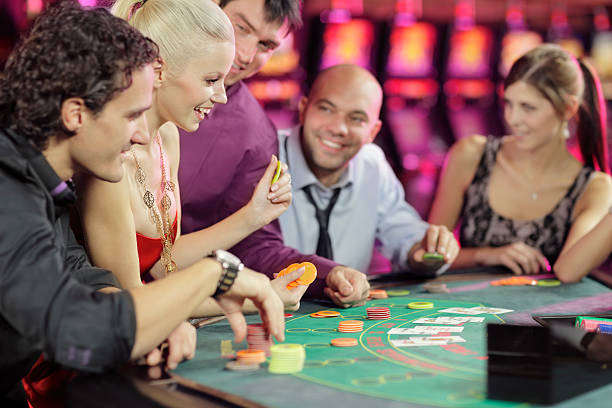
Furthermore, casinos often host events, tournaments, and performances that contribute to the social dimension of the experience. These events draw in crowds and create an environment where players want to stay to socialize and engage with others. The blend of gaming and entertainment transforms the casino into a destination rather than just a gaming venue, encouraging longer visits. This combination of social engagement and entertainment keeps players invested in their experience.
The casino staff also plays a significant role in enhancing the social atmosphere. Friendly dealers and attentive servers contribute to players feeling welcomed and valued. The interaction with staff members can elevate a player’s experience, making them feel special and more inclined to stay. In this environment, the social aspect becomes a compelling reason for players to continue their time in the casino, adding another layer to the design that promotes longer visits.
Understanding Casino Design and Player Experience
Understanding how casinos are designed to keep players engaged can offer valuable insights for consumers. Awareness of the strategies and techniques employed can empower players to make informed choices about their gaming habits. By recognizing the impact of design and psychological manipulation, players can better assess their own engagement levels and set limits for themselves, ensuring that their experiences remain enjoyable and responsible.
As players navigate the complex design of a casino, they are encouraged to remain vigilant about their time and budget. By acknowledging the tactics that draw them in, players can strive to play strategically rather than emotionally, enhancing their overall experience. Making conscious decisions about when to walk away is essential for maintaining control and enjoyment while in a gaming environment.
Ultimately, while casinos are crafted to entice and engage, understanding the underlying mechanisms can help players enjoy their time responsibly. The insights gained from this knowledge can enhance the player experience, allowing for a more balanced approach to gaming. As players become more mindful of the design and psychology involved, they can navigate casinos with greater awareness, ensuring that entertainment remains the primary focus of their visits.